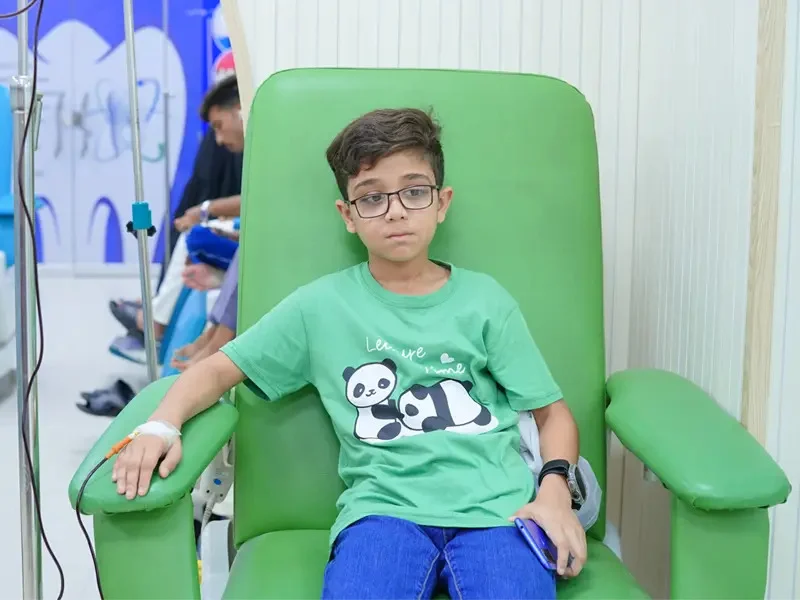
Access to safe blood can make the difference between life and death for patients dealing with serious medical conditions. People undergoing surgery, facing medical emergencies, or living with inherited blood disorders may depend on regular blood transfusions. However, maintaining a reliable blood supply requires more than hospitals and medical equipment. It also depends on public awareness, voluntary donors, and community participation.
In cities like Lahore, access to reliable blood services is especially important for patients who cannot afford repeated medical treatment. Organizations working in this field help bridge the gap between medical needs and available resources. Finding a free blood bank in Lahore can be an important step for families seeking blood transfusion support, particularly when a patient requires ongoing care.
Why Safe Blood Donation Matters
Blood performs several essential functions in the human body. Red blood cells carry oxygen, white blood cells help fight infections, and platelets support blood clotting. When a person loses blood or cannot produce healthy blood cells, medical treatment may require a transfusion.
Blood transfusions are particularly important for people with certain chronic conditions.
Thalassemia
Thalassemia is an inherited blood disorder that affects the body's ability to produce normal haemoglobin. Depending on its severity, a patient may require regular blood transfusions throughout life. Without appropriate treatment, severe cases can lead to serious complications, including anaemia and organ damage.
Hemophilia
Hemophilia is a genetic condition in which blood does not clot properly because of a deficiency in specific clotting factors. Patients may experience prolonged bleeding, including internal bleeding that can damage joints and other tissues.
Treatment may involve clotting factor replacement and other specialist care. Access to appropriate blood products is important for managing this condition.
Cancer and Other Medical Conditions
Some cancer treatments affect the bone marrow, reducing the body's ability to produce healthy blood cells. Patients may need transfusions during chemotherapy or other treatments. Severe injuries, major operations, and certain blood disorders can also create an urgent need for compatible blood.
These examples show why a dependable blood donation system is an essential part of public healthcare.
How Voluntary Blood Donation Strengthens Healthcare
A blood bank cannot maintain a reliable supply without regular donations. Blood has a limited storage life, and different components must be stored under specific conditions. This means donations are needed throughout the year rather than only during major emergencies.
Voluntary blood donation offers several benefits:
Supports emergency treatment: Hospitals need compatible blood for accident victims, surgical patients, and people experiencing severe bleeding.
Helps chronic patients: Regular donations support people who depend on transfusions as part of long-term treatment.
Improves blood availability: A consistent donor base helps reduce shortages during periods of high demand.
Encourages community participation: Donation campaigns bring students, professionals, families, and local organizations together.
A strong donation culture also reduces dependence on last-minute arrangements when patients need blood urgently.
What Makes a Blood Donation Safe?
Blood safety depends on careful donor assessment, proper collection procedures, laboratory screening, and correct storage. Every stage matters because unsafe blood can expose recipients to serious infections and complications.
A standard donation process generally includes the following steps:
Donor registration: The donor provides basic information and answers questions about medical history.
Health assessment: Staff check relevant health indicators, such as haemoglobin levels, weight, and general fitness.
Blood collection: Trained healthcare personnel collect blood using sterile, single-use equipment.
Laboratory screening: Collected blood undergoes testing for infections such as hepatitis B, hepatitis C, and HIV.
Blood grouping and compatibility: Testing helps identify the blood group and assess suitability for a recipient.
Proper storage: Blood components are stored under controlled conditions until required.
A person should never donate blood simply to meet an urgent request without first checking eligibility. Medical staff must determine whether donation is safe for the donor and suitable for the intended recipient.
Who Can Become a Blood Donor?
Most healthy adults can donate blood if they meet the relevant eligibility requirements. However, age, weight, haemoglobin levels, medical history, medications, and recent illnesses can affect eligibility.
People interested in donating should consider these basic precautions:
Get enough sleep before donation.
Eat a balanced meal rather than donating on an empty stomach.
Drink adequate water.
Avoid strenuous physical activity immediately after donation.
Follow the recovery instructions provided by healthcare staff.
Anyone with an existing medical condition, recent infection, or medication-related concern should discuss eligibility with qualified medical personnel.
Blood donation should always be voluntary. A person should never feel pressured to donate, especially when a medical professional advises against it.
The Role of Charity and Compassion in Community Healthcare
Helping people in need is an important part of building a caring society. Community support can take many forms, including financial assistance, volunteering, public awareness campaigns, and blood donation.
Religious occasions also provide opportunities for reflection on kindness, generosity, and responsibility towards others. For example, people searching for the Shab e Meraj 2027 date in Pakistan may also use this period to learn about charitable activities and ways to support vulnerable families.
Although blood donation is not a religious requirement associated with a particular night, voluntary service remains a meaningful way to help others. Supporting a patient who needs regular transfusions can provide practical relief to families facing long-term medical and financial challenges.
Charity does not always require a large financial contribution. Donating blood, sharing verified health information, or helping arrange a community donation camp can also make a difference.
How Families and Communities Can Help Patients
Families dealing with chronic blood disorders often face repeated hospital visits, treatment expenses, and emotional stress. Community involvement can reduce some of these challenges.
Here are practical ways individuals and organizations can contribute:
Organize donation drives: Schools, colleges, offices, and community groups can work with qualified blood banks to arrange safe donation camps.
Spread accurate information: Public awareness can help people understand blood disorders and the importance of early screening.
Support treatment programs: Financial contributions can help non-profit healthcare organizations provide essential services to patients who cannot afford them.
Encourage regular donations: Eligible donors can maintain a responsible donation routine based on medical advice.
Help families find reliable services: Sharing verified information about healthcare facilities can help patients make informed decisions.
Community campaigns should always work with qualified medical teams. Proper screening, consent, hygiene, and blood handling must remain priorities.
Conclusion
A reliable blood supply depends on collective effort. Hospitals, blood banks, voluntary donors, healthcare professionals, and community organizations all have an important role in supporting patients who need transfusions.
Regular blood donation, responsible health awareness, and practical community support can help improve access to essential treatment. Small acts of service may have a lasting impact, particularly for families managing chronic blood disorders. By making voluntary donation and humanitarian support part of everyday community life, people can help create a stronger and more compassionate healthcare system in Pakistan.


Conversation 0
Connecting…No comments yet. Start the conversation.