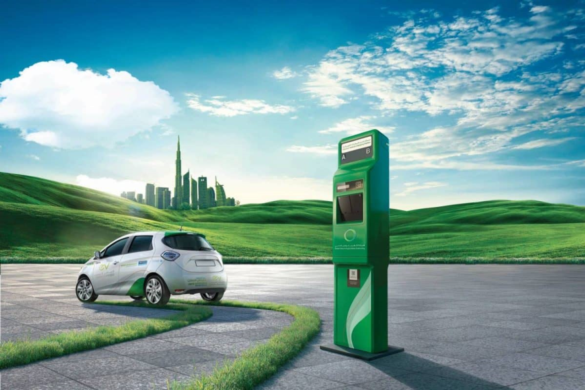
India, a country with a population of over 1.3 billion, is one of the largest consumers of fossil fuels in the world. The transport sector accounts for around 18% of the country’s total greenhouse gas emissions, and with the number of vehicles on the road increasing rapidly, this figure is only set to rise. However, India is also one of the fastest-growing markets for electric vehicles (EVs), and the government is taking steps to accelerate this shift towards sustainable mobility.
Click on the link for sample report: https://www.persistencemarketresearch.com/samples/20800
In 2018, the Indian government launched the National Electric Mobility Mission Plan (NEMMP) to promote the adoption of EVs in the country. The plan aims to have 30% of all vehicles on Indian roads running on electricity by 2030, with a goal to reduce emissions and dependence on fossil fuels. The government has also introduced various incentives and policies to encourage the adoption of EVs, including subsidies, tax exemptions, and preferential treatment in public procurement.
One of the major challenges for EV adoption in India has been the lack of charging infrastructure. However, the government has taken steps to address this issue by launching the Faster Adoption and Manufacturing of Hybrid and Electric Vehicles (FAME) scheme, which provides financial incentives for the deployment of charging stations across the country. The scheme also offers incentives for the purchase of EVs, including two-wheelers, three-wheelers, and cars, to make them more affordable for consumers.
The Indian automobile industry has also responded positively to the government’s push towards EVs. Many domestic and international automakers have announced plans to introduce EVs in India, with some setting up manufacturing plants to produce them locally. For example, Tata Motors, India’s largest automaker, has launched the Nexon EV, the country’s first long-range electric SUV. Other automakers, such as Hyundai, MG Motor, and Mahindra, have also introduced EVs in the Indian market.
Apart from passenger vehicles, the government is also promoting the adoption of EVs in public transportation. Several Indian cities have already introduced electric buses, and the government has launched a scheme to provide financial assistance to state transport corporations for the procurement of EV buses. This move towards electrification of public transportation is expected to have a significant impact on reducing emissions and improving air quality in cities.
The adoption of EVs in India is not only essential for reducing emissions but also for improving energy security and creating job opportunities in the manufacturing sector. The government’s push towards EVs is expected to create a demand for batteries and related components, which could attract investments in the domestic manufacturing industry.
However, there are still several challenges that need to be addressed for the mass adoption of EVs in India. The lack of charging infrastructure in rural areas and the high cost of batteries are major hurdles that need to be overcome. Moreover, the transition towards electric mobility should also be accompanied by a shift towards renewable energy sources to ensure that EVs are truly sustainable.
In conclusion, India’s push towards electric mobility is a step in the right direction towards a more sustainable future. The government’s policies and incentives have encouraged the adoption of EVs, and the Indian automobile industry has responded positively to this shift. However, there is still a long way to go, and the government and industry need to work together to overcome the challenges and make EVs more accessible to all sections of society. The future of mobility in India is electric, and it is up to us to make it a reality.

Conversation 0
Connecting…No comments yet. Start the conversation.