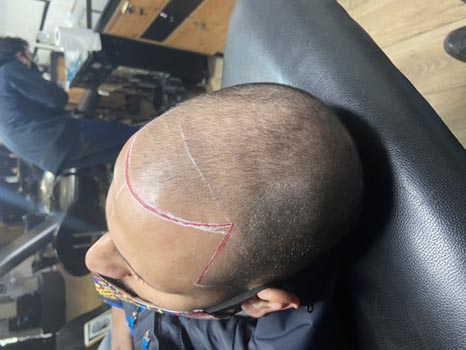
Microblading has gained immense popularity as a semi-permanent solution for achieving fuller, well-defined eyebrows. Whether you have sparse brows, suffer from hair loss or simply want to enhance your natural shape, microblading can provide long-lasting, natural-looking results. This guide covers all aspects of microblading, including its benefits, procedure, healing process, risks and maintenance.
What is Microblading?
Microblading is a semi-permanent cosmetic tattooing technique that enhances the appearance of eyebrows by creating hair-like strokes with a manual handheld tool. Unlike traditional tattooing, which uses a machine and penetrates deep into the skin, microblading deposits pigment into the upper layers of the skin, making it fade over time. The result is natural-looking, fuller brows that mimic real hair.
Benefits of Microblading
Microblading offers several benefits, making it a popular choice among those looking for perfectly shaped eyebrows:
- Natural Appearance – The technique creates realistic, hair-like strokes, giving eyebrows a natural look.
- Time-Saving – Eliminates the need for daily eyebrow makeup.
- Long-Lasting Results – Results can last 1-3 years, depending on skin type and aftercare.
- Customizable Shape and Color – The technician tailors the shape and pigment color to match your natural brow and skin tone.
- Waterproof and Smudge-Proof – Unlike makeup, microbladed brows won’t smudge or wash off.
- Ideal for Sparse or Uneven Brows – Great for individuals with thin, patchy or over-plucked eyebrows.
- Boosts Confidence – Enhances facial symmetry and boosts self-esteem.
Who is a Good Candidate for Microblading?
Microblading is suitable for most people; however, it works best for individuals with normal to dry skin. Oily skin types may experience faster fading. You are a good candidate if:
• You have sparse, thin or uneven eyebrows.
• You want a low-maintenance solution for fuller brows.
• You do not have major skin conditions like eczema, psoriasis or severe acne around the brows.
• You are not pregnant or nursing.
• You do not have keloid scarring tendencies.
• You are not on blood thinners or other medications that affect healing.
Microblading Procedure
The microblading procedure typically takes 2-3 hours and consists of the following steps:
Consultation and Brow Mapping
• The artist discusses your preferences, assesses your natural brows and determines the best shape and color for your face.
• Brow mapping is done using measuring tools to create a symmetrical, flattering shape.Numbing Process
• A topical numbing cream is applied to minimize discomfort.
• The cream takes about 20-30 minutes to take effect.Microblading Strokes
• The technician uses a sterile, disposable microblading tool to make fine incisions in the skin and deposit pigment.
• Strokes are carefully placed to mimic the natural direction of hair growth.Pigment Absorption
• Additional pigment is applied over the brows to enhance color absorption.
• The pigment is left for a few minutes before being wiped off.Final Touches
• The artist reviews the shape and makes any necessary adjustments.
• Aftercare instructions are provided to ensure proper healing.
Healing Process & Aftercare
The healing process takes 4-6 weeks and follows distinct stages:
Day 1-2: Fresh and Dark Brows
• Brows appear darker and bolder than expected.
• Minor redness and slight swelling are normal.
Day 3-7: Scabbing and Itching
• Scabs start forming as the skin heals.
• Itching may occur, but scratching should be avoided.
Day 7-14: Peeling and Fading
• Scabs begin to flake off naturally.
• The pigment may appear lighter as the skin heals over it.
Day 14-28: Color Settling
• The true pigment color gradually emerges.
• Brows may still appear patchy until fully healed.
6 Weeks: Touch-Up Session
• A mandatory touch-up is performed to fill any gaps and enhance color.
Aftercare Tips
To ensure proper healing and long-lasting results:
• Keep the area dry for the first 24 hours.
• Avoid touching, rubbing or picking at the scabs.
• Apply the recommended healing balm if prescribed.
• Avoid sweating, swimming or excessive sun exposure for two weeks.
• Do not use exfoliants, retinol or harsh skincare products on the brows.
Risks & Side Effects
While microblading is generally safe, there are potential risks, including:
- Infection – Poor hygiene or improper aftercare can lead to infections.
- Allergic Reactions – Some individuals may be allergic to pigments or numbing agents.
- Uneven Healing – Some strokes may fade faster than others, requiring additional touch-ups.
- Scarring – Improper technique or excessive pressure can cause scarring.
- Pigment Discoloration – Over time, pigments may fade to a different color, like gray or red.
To minimize risks, always choose a certified, experienced artist and follow aftercare instructions carefully.
How Long Does Microblading Last?
Microblading lasts between 12-36 months, depending on:
• Skin Type: Oily skin fades faster than dry skin.
• Lifestyle: Frequent sun exposure and skincare treatments (like chemical peels) accelerate fading.
• Pigment Color: Lighter pigments fade more quickly than darker shades.
• Aftercare: Proper care helps prolong results.
Annual touch-ups are recommended to maintain the shape and color.
Microblading vs. Other Eyebrow Techniques
Microblading vs. Ombre Powder Brows
• Microblading: Creates natural, hair-like strokes. Best for normal to dry skin.
• Ombre Brows: Uses a shading technique for a soft, powdered look. Better for oily skin.Microblading vs. Traditional Tattooing
• Microblading: Semi-permanent, fades over time and looks natural.
• Tattooing: Permanent, may blur over time and requires laser removal.Microblading vs. Brow Lamination
• Microblading: Lasts years and alters brow shape.
• Lamination: Lasts 4-8 weeks and lifts existing brow hairs for a fuller look.
Cost of Microblading
The cost of microblading varies depending on location, artist experience and additional touch-ups. On average:
• Basic Microblading: $300 - $800
• Touch-Up Sessions: $100 - $300
• High-End Artists: $800 - $1500
While it may seem expensive, quality microblading ensures better results and safety.
How to Choose the Right Microblading Artist
- Check Credentials – Ensure the artist is licensed and certified.
- Review Portfolio – Look at before-and-after photos of their work.
- Read Reviews – Customer testimonials provide insight into their skills.
- Ask About Hygiene Standards – The studio should follow strict sanitation protocols.
- Schedule a Consultation – Discuss your goals, ask questions and assess their expertise.
Conclusion
Microblading is an excellent solution for achieving natural-looking, fuller brows without daily makeup. While the procedure requires an investment of time and money, the long-lasting results and convenience make it worthwhile. By choosing a skilled artist and following proper aftercare, you can enjoy beautiful, well-defined brows for years to come.
If you're considering microblading, research thoroughly, consult a professional and take the necessary steps to ensure a safe and satisfying experience. Visit: https://www.tattoosnewdelhi.com/permanent-tattoo/cosmetic/microblading-eyebrows-cost-delhi-india-artist-studio/

Conversation 0
Connecting…No comments yet. Start the conversation.