The risk of Mesothelioma in the Society
Mesothelioma is a disease considered by the development of cancerous cells in the lining of the abdominal and thoracic cavity. The discrimination between…
Upstart Blogger · 3 min read · 69 reads
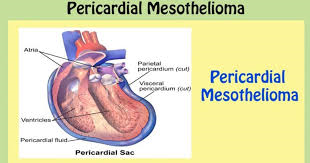
Mesothelioma is a disease considered by the development of cancerous cells in the lining of the abdominal and thoracic cavity. The discrimination between sarcomatoid, epithelial and mixed mesothelioma is the finest estimate refer to the epithelioid type of the disease. In most cases, mesothelioma occurs in the chest cavity, called pleural mesothelioma, if a tumour is formed in the abdominal cavity, it is a peritoneal mesothelioma, which occurs in no more than 20-25% of cases. In addition, the pericardial mesothelioma is exceptionally uncommon.
Causes and Symptoms of Mesothelioma
The foremost danger feature for mesophyll is the most regular and strong interaction with asbestos. Therefore, after inhaling or absorbing the particles of this mineral, along the aspect of the first symptoms of the disease may appear. Other chemicals (liquid paraffin, silicates, and beryllium) and ionizing radiation can also be other causes of the disease. Therefore, to avoid cancer, it is necessary to avoid the consequences of the listed risk factors as well.
Moreover, because a tumour has not been heard for a long time and the disease is asymptomatic, mesothelioma is often found in later stages. For this reason, the predictions usually do not settle down, the average survival rate of patients is 2-3 years. Pain in the lower thorax, shortness of breath, cough, difficulty swallowing, sweating, fever, weakness: pleural mesothelioma may be indicated by the following symptoms. In some cases, it is observed hemoptysis, hoarseness, swelling of the face. Symptoms of the mesothelioma of the abdominal cavity are nausea, vomiting, and abdominal ache.
Treatment
If the patient can endure surgery, mesothelioma will be surgically removed. An operation intended at alleviating a patient's condition can also be performed when the pleura or fluids are not removed from the pleural cavity, but rather a tumour. Mostly, they resort to radiotherapy for the treatment of mesothelioma.
Both external and internal radiation can be used when the radioactive material is sent openly to a tumour. If the disease is treated with chemotherapy, the drugs will be injected intravenously into the intracranial, intraperitoneal or average.
Pleural mesothelioma
The pleural mesothelioma develops from the tegumentary epithelium of the pleura (mesothelium). The tumour can produce as swellings somewhere in the pleura or parietal (nodal form), or widespread, spreading more often to the pleura, it is as if the narrow lungs penetrated (diffused) with the fall. If the pleural cavity remains free, the gray-fibrous or hemorrhagic exudate accumulates. Therefore, the tumour has an additional regular configuration of adenocarcinoma or solid cancer.
Furthermore, fibrotic, tubular and diverse forms of pleural mesothelioma are illustrious through online assignment writing services. Malignant mesothelioma is metastasized into internal lymph nodes (95.5%) in the lungs and other pleurae (78%) in the pericardium. Hematogenous metastases are much less common.
Symptoms of pleural mesothelioma
The disease in the primary phases reveals itself with pain in the joints and dry cough with chest pain. The initial signs of the disease also comprise exudative pleurisy, initially serosa, tracked by hemorrhagic. The increase of exudate in the pleural cavity central to compression of the lungs and to dyspnoea. The utmost constant symptom is a fever. The phenomenon of osteoarthropathy is often expressed.
If a tumour is found in the mediastinum of the pleura, the mediastinal disorder may develop. The disease usually progresses rapidly, the tumour is metastasized at the beginning of the pleura, the mediastinum, and the reserved organs. The prediction is generally underprivileged. Surgical treatment can lead to permanent healing in a limited and single form of the tumour at an initial phase.

Conversation 0
Connecting…No comments yet. Start the conversation.