The Amalfi Coast is one of the most instantly recognizable landscapes on earth. For decades, it has been romanticized in popular culture as the ultimate playground for luxury travelers. Glossy travel magazines frequently showcase images of pastel-colored cliffside villages, sleek wooden speedboats carving through turquoise waves, and rows of pristine orange umbrellas lining exclusive beach clubs. This glamorous facade, while undeniably beautiful, represents only a small sliver of what the Sorrentine Peninsula actually has to offer.
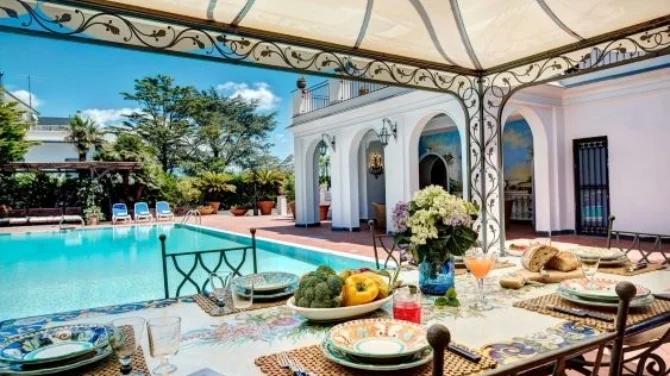
Just a few hundred meters above the crowded coastal highway lies a completely different world. Here, the glamorous Mediterranean resort vibe and the Amalfi Coast luxury villas, are replaced by an untamed alpine environment. The entire peninsula is anchored by the Parco Regionale dei Monti Lattari, a rugged limestone mountain range whose towering peaks drop vertically into the Tyrrhenian Sea. For nature lovers, hikers, and outdoor enthusiasts, these mountains hold an incredible network of ancient mule tracks, deep river gorges, hidden waterfalls, and prehistoric microclimates. If you trade the designer sandals for a sturdy pair of hiking boots, you will discover a quiet, wild, and incredibly raw side to the Amalfi Coast that most tourists completely miss.
Suspended Between Sky and Sea: The High-Altitude Ridge Hikes
To truly appreciate the dramatic geography of the region, you must head to the high-altitude trails that trace the spine of the mountains. These paths offer a sensory experience that no ferry ride or driving tour can match. As you walk along these rocky ridges, you are suspended directly between the deep blue expanse of the ocean below and the sharp limestone peaks above, surrounded by the sweet scent of wild thyme, rosemary, and mountain broom.
The most famous of these paths is the Sentiero degli Dei, or the Path of the Gods. Spanning roughly seven kilometers, this ancient cliffside trail connects the high-altitude hamlet of Bomerano to the vertical village of Nocelle. Walking this path feels like stepping into a living landscape painting. The trail hugs sheer limestone cliffs, passing rustic stone shepherds' huts and crossing steep gorges that drop directly down to the sea. For the ultimate experience, it is highly recommended to hike from east to west. By starting in Bomerano and heading toward Nocelle, the dramatic silhouettes of the Li Galli islands and the far western tip of Capri stay perfectly framed right in your field of view the entire time.
Because of its global reputation, the Path of the Gods can become highly congested by mid-morning during the peak travel season. To experience its true majesty, nature lovers should hit the trail at the first break of dawn. Starting at sunrise allows you to beat the tour buses, experience the mountains in peaceful silence, and watch the morning sun paint the cliffs in warm hues of gold and pink. Along the way, keep an eye out for the rustic trailside stands operated by local farmers, where you can pause safely to enjoy a fresh, intensely tart lemon granita squeezed from the surrounding orchards.
For those who crave even deeper solitude and a tougher physical challenge, the climb to Monte Tre Calli is the ultimate alternative. Starting from the main square in Bomerano, this trail skips the flat cliffside balconies and heads aggressively upward. It is a demanding, steep scramble over loose limestone rocks and narrow ridges, requiring good footing and strong lungs. However, the reward at the summit is unmatched. While the Path of the Gods gives you a brilliant side view of the coastline, Monte Tre Calli provides a completely uncrowded, 360-degree panorama. Standing on the high ridge, you can look out over the entire Gulf of Salerno, see the high peaks of the Lattari range extending inland, and trace the entire sweep of the peninsula all the way to its dramatic end.
Into the Emerald Canopy: Lush Canyons and Prehistoric Valleys
When the intense Mediterranean sun makes the high, exposed ridges too hot for comfortable hiking, the interior valleys of the Amalfi Coast provide a welcome, shaded escape. Because the mountains rise so sharply from the sea, they create deep, narrow canyons that trap moisture and shield the canyon floors from the heat. The result is a series of unique microclimates that feel more like a tropical jungle or an enchanted northern forest than southern Italy.
The most spectacular showcase of this phenomenon is the Valle delle Ferriere. Located directly behind the historic center of Amalfi town and above the amazing Amalfi villas, this deep rocky gorge follows the path of the Canneto River as it winds deep into the mountains. As you leave the town behind and step into the canyon, the dry coastal scrub quickly transitions into a dense, lush canopy of hazelnut, oak, and chestnut trees. The air temperature drops noticeably, cooled by the rushing waters of the river and the sheer canyon walls that block out the direct sunlight.
The deeper you hike into the Valle delle Ferriere, the more magical it becomes. The trail leads past the moss-covered ruins of medieval ironworks and historic paper mills, which once used the river’s powerful currents to drive the region’s famous papermaking industry. Eventually, you reach the protected core of the nature reserve. Here, fed by towering waterfalls and constant mist, lives a rare community of prehistoric ferns, most notably the Woodwardia radicans. This giant frond fern has survived in this specific damp microclimate since the Ice Age. The deep green moss, the roar of the waterfalls, and the ancient plant life combine to create an environment that feels wonderfully isolated from the bustling resort towns just a few kilometers away.
For a gentler stroll that beautifully blends natural beauty with local agricultural heritage, the Sentiero dei Limoni, or Path of the Lemons, is a must-visit. This historic path connects the coastal towns of Maiori and Minori, winding through the lower terraces of the mountains. Rather than a wilderness trek, this path offers an intimate look at how the people of the coast have worked in harmony with nature for centuries. You will walk along clean stone stairways right beneath heavy wooden trellises loaded with giant, fragrant Sfusato Amalfitano lemons. The bright yellow fruit contrasts beautifully with the deep green leaves and the sparkling blue sea below, offering a sensory walk that captures the agricultural soul of the region.
Where the Land Ends: Wild Capes and Marine Protection
To experience the wildest, most rugged edge of the peninsula, nature lovers must journey to the far western tip, where the mountains make their final, dramatic plunge toward the island of Capri. This region is far removed from the tourist hubs of Amalfi and Positano, offering a stark, wind-swept landscape defined by low Mediterranean scrub, jagged rocks, and wide-open seascapes.
At the very tip of the peninsula sits Punta Campanella. A relatively flat, 45-minute hike along an ancient Roman stone road from the village of Termini brings you to this historic cape. The path itself is rich with history, once serving as a major maritime route for Roman soldiers and travelers. When you arrive at the edge of the cape, standing next to the weathered stone watchtower, the views are breathtaking. Capri sits just three miles offshore, looking close enough to touch. The wind howls across the open water, and the sense of vastness and isolation is incredibly powerful.
Just a short distance from the cape lies the hidden gem of the western peninsula: the Baia di Ieranto. Nestled inside the Punta Campanella Marine Protected Area, this pristine horseshoe-shaped bay can only be reached by a down-and-back rocky hiking trail starting in the quiet village of Nerano. The trail to the bay winds through ancient olive groves, past abandoned limestone quarries, and along sun-baked ridges covered in wild cactus.
Because the bay is strictly protected and completely inaccessible to motorized boats, the water inside the inlet is incredibly clear and calm. The white pebble beach is flanked by towering cliffs, creating a natural amphitheater that shields the bay from the open ocean. For nature lovers, this is the premier spot on the coast for wild swimming and snorkeling. Slipping into the cool, crystal-clear water, you can swim over protected seagrass meadows and observe a vibrant underwater ecosystem teeming with local Mediterranean fish. It is a place where the natural harmony of land and sea is kept perfectly intact.
By stepping off the beaten path, you will find that the real magic of the Amalfi Coast isn't found in its luxury boutiques or crowded town squares. It is found in the quiet rustle of the chestnut trees, the spray of a hidden waterfall, and the majestic silence of a mountain peak looking out over the endless sea.
The Wild Amalfi Coast: A Comprehensive Guide for Nature Lovers
The Amalfi Coast is one of the most instantly recognizable landscapes on earth. For decades, it has been romanticized in popular culture as the ultimate…
Sam Millas · 6 min read · 1 reads


Conversation 0
Connecting…No comments yet. Start the conversation.